
The City Everyone Sees First
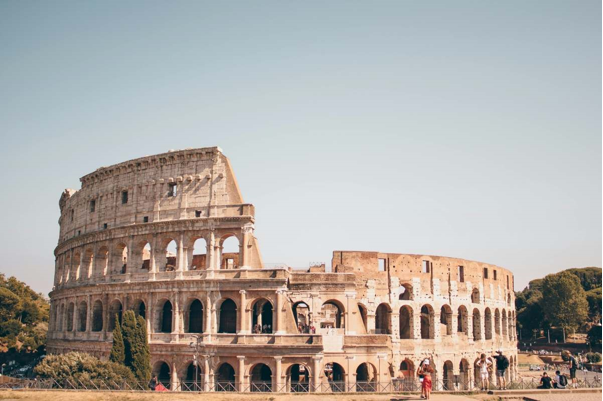
Rome’s greatest monuments are impossible to ignore. They dominate postcards, guidebooks, first impressions. The Colosseum, the Forums, the grand axes of history — they announce Rome loudly, confidently, almost theatrically.
But Rome doesn’t live there. Not really. Its soul is elsewhere, scattered in habits, corners, and moments that don’t photograph well. To find it, you have to step sideways.
A City Made of Neighborhoods, Not Highlights
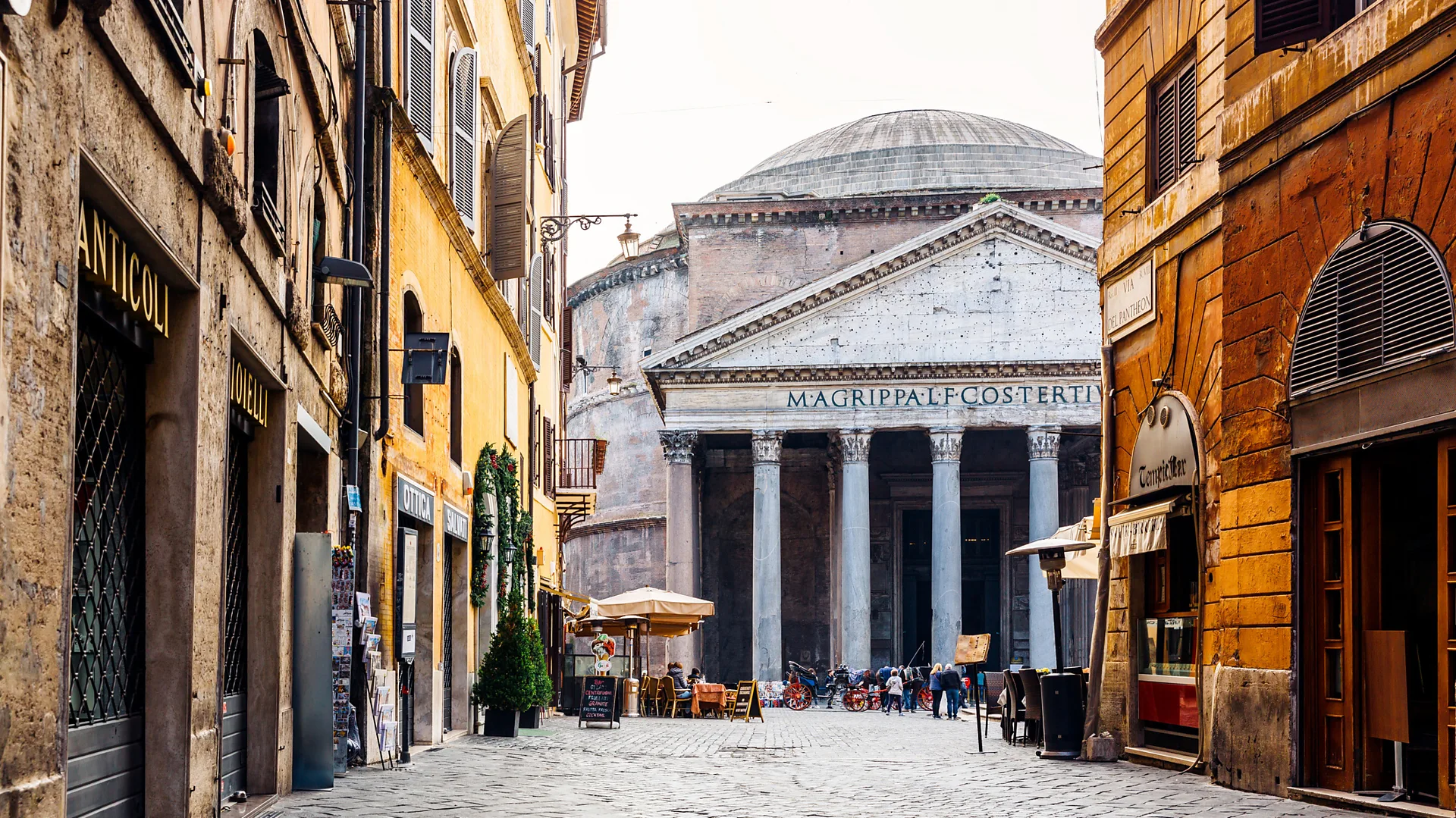
Rome reveals itself through its rioni, not its landmarks. Each neighborhood operates with its own tempo, accents, routines. Trastevere hums differently from Testaccio. Prati feels composed where San Lorenzo feels unruly.
Once you stop moving monument to monument, the city reorganizes. You begin to recognize streets rather than sights. Cafés rather than attractions. This shift is subtle, but decisive.
Daily Life as the Main Attraction
What replaces the checklist is ordinary life. Children kicking balls against ancient walls. Shopkeepers arguing over deliveries. Elderly neighbors leaning out of windows to comment on the day.
Rome’s history doesn’t interrupt this life — it frames it. Ruins don’t feel sacred; they feel useful. They create shade, shortcuts, meeting points. The past here isn’t admired from a distance. It’s absorbed into routine.
Churches You Enter Without Planning
Some of Rome’s most revealing moments happen when you step into a church simply because the door is open. No expectations. No labels.
Inside, silence settles differently. Light falls unevenly. Art appears without explanation. These spaces aren’t curated experiences; they’re pauses. You leave without “seeing” anything specific, yet somehow feeling more oriented than before.
Eating Where the City Eats
Food in Rome stops being impressive once it becomes familiar — and that’s exactly when it becomes meaningful. Simple dishes, repeated endlessly. Carbonara done one way, then another. Pizza folded, not plated.
You start choosing places based on proximity rather than reputation. You eat because it’s time, not because it’s recommended. This ordinariness is not a compromise; it’s the point.
Walking Without a Narrative
The city opens up when you stop trying to understand it. Walk without assigning meaning. Let streets repeat themselves. Cross the same piazza at different hours.
Rome isn’t linear. It doesn’t resolve neatly. Its logic is accumulative, contradictory, unfinished. Accepting that frees you from the need to “get” it.
Sound as Orientation
Beyond the Colosseum, Rome is guided by sound more than sight. Conversations bounce off walls. Scooters surge and fade. Church bells overlap without coordination.
You begin to navigate by these cues, sensing when a street is alive or withdrawing. It’s an intuitive map, learned only through time spent, not places visited.
Where You Stay Shapes What You Notice
Rome is too layered to be experienced from a single angle. Where you stay determines what version of the city you encounter — early mornings or late nights, silence or movement, intimacy or scale.
This is why hotels in Rome for different stays matter less as destinations and more as lenses. A short visit asks for centrality. A longer one benefits from distance. Neither is better; they simply reveal different Romes.
Why Rome Rewards Looking Away
Uncovering Rome’s soul requires a small act of resistance — looking away from what everyone else is looking at. Not rejecting the famous, but refusing to stop there.
When you do, Rome stops performing and starts breathing. And in that quieter, messier space, the city finally feels whole.